Medicare AEP in Charleston County: Walking Through 47 Plans in 30 Minutes
We’re 6 days into Medicare AEP. If you’re a Charleston County Medicare client trying to make sense of the 47 Medicare Advantage plans available for 2027, you’re not alone. This is the week when the flood of mailers from Humana, UnitedHealthcare, Aetna, Wellcare, and BlueCross really starts showing up. Every one of them looks official. Every one of them has a toll-free number and somebody in a call center ready to sign you up.
Let me show you how I actually walk through those 47 plans in 30 minutes with a Blinco Audit, using the real plans that are on the table in Charleston County for 2027. This post isn’t a generic “Medicare guide.” It’s what happens on my screen when you sit across from me.
The 47 Plans Are Not All Different
First thing to understand: when we say “47 plans,” that’s 47 different plan IDs that show up in Medicare.gov’s Plan Finder for a Charleston County zip code. It sounds like a choose-your-own-adventure with 47 paths. In practice, it’s a lot of duplicates.
Here’s how the 47 breaks down:
- Humana has about 8-9 plans (Gold Plus HMO, Gold Plus PPO, Honor PPO, USAA Honor, Value Plus, a few Dual SNPs)
- UnitedHealthcare including AARP-branded has about 10 plans (AARP Medicare Advantage, Dual Complete, Walmart Flex, a few specialty options)
- Aetna has about 6-7 plans (Aetna Medicare Eagle HMO, Aetna Medicare Premier PPO, some D-SNPs, an SC-specific Value plan)
- Wellcare has about 5-6 plans (Wellcare Value Script, Wellcare No Premium, Wellcare Dual Access, a few others)
- BCBS SC has about 4 plans (BlueCross Total HMO, BlueCross Total PPO, a Dual SNP)
- Cigna has a few PPO options
- Regional carriers (Devoted, Alignment) have a few plans each
Within each carrier, you typically have a premium option (usually HMO, lower cost), a premium PPO (more flexible network, higher cost), and one or more Special Needs Plans for specific populations (diabetes, chronic heart failure, dual Medicare/Medicaid eligibility).
So when I’m narrowing 47 down to something manageable, the first cut is usually “what plan structures does this client even need to consider?” That alone drops you from 47 to maybe 15.
The 30-Minute Walkthrough
Here’s the actual sequence I go through, with examples of the real plans available in Charleston County for 2027.
Minute 0-5: Filter by Your Doctors
I open Medicare.gov Plan Finder. Enter your zip code. Enter your primary care doctor, your cardiologist, your oncologist, whoever you listed.
Immediately, any plan that doesn’t have all your doctors in-network gets flagged. Not crossed off yet - flagged. Because sometimes there’s a close substitute, and sometimes a doctor is “out of network but covered at 70%” on a PPO plan. We’ll deal with that.
Example from a recent client: Her PCP was at MUSC in downtown Charleston, her cardiologist was at Roper, and her orthopedist was at East Cooper Medical Center. She needed a plan that covered all three hospital systems.
- Plans that immediately failed: Several Humana Gold Plus HMO variants that had MUSC but not Roper specialists
- Plans that immediately failed: Wellcare Value Script Plus, which had a thin Charleston County specialist network
- Plans that survived: BlueCross Total PPO, UHC AARP PPO, Aetna Medicare Premier PPO, Humana Honor PPO
We just went from 47 to 4 in five minutes because she had three doctors across three hospital systems and needed a broad network.
Minute 5-10: Filter by Your Medications
Now I load every medication into the Plan Finder drug tool. Brand names, generic names, dosages, frequency.
Each surviving plan generates a total 2027 cost estimate for your specific drug list. The number that pops out is real - it’s based on the actual formulary tier each drug is on for that plan, the copays, the deductible, and the coverage gap math.
Example from a recent client: Same person, on Eliquis, Jardiance, and Atorvastatin.
- BlueCross Total PPO: Estimated 2027 drug costs around $2,100
- UHC AARP PPO: Estimated 2027 drug costs around $2,850
- Aetna Medicare Premier PPO: Estimated 2027 drug costs around $1,850
- Humana Honor PPO: Estimated 2027 drug costs around $3,200
That’s a $1,350 difference between the best and worst option on drugs alone. Same person, same drugs, four different plan prices.
Now, Aetna Premier PPO has the best drug cost. But that doesn’t mean it wins. We still have to compare on premium, doctor copays, and the total cost scenario.
Minute 10-15: Premium and Copays
Open the plan brochures. For each of the 4 surviving plans:
- Monthly premium
- Primary care copay
- Specialist copay
- Emergency room copay
- Urgent care copay
- Outpatient surgery copay or coinsurance
- Inpatient hospital cost structure
- Maximum out-of-pocket limit
A $0 premium plan isn’t free - it’s paid for with higher copays and cost-sharing elsewhere. I do a quick estimate of “what does a typical year look like for this person” using her actual usage patterns.
For our example client:
- BCBS Total PPO: $35 premium + her estimated doctor visits = roughly $1,800-$2,100/year
- UHC AARP PPO: $0 premium + higher copays = roughly $1,400-$1,700/year
- Aetna Premier PPO: $42 premium + moderate copays = roughly $2,000-$2,300/year
- Humana Honor PPO: $27 premium + moderate copays = roughly $1,500-$1,800/year
Plus the drug costs from the previous step:
- BCBS: $3,900-$4,200/year total
- UHC AARP: $4,250-$4,550/year total
- Aetna Premier: $3,850-$4,150/year total
- Humana Honor: $4,700-$5,000/year total
Aetna Premier edges out BCBS by about $50/year. UHC AARP is behind. Humana Honor is the most expensive despite the lowest drug cost projection being wrong for her specific mix.
Minute 15-20: Read the Formulary Like a Pro
This is the part most people skip and it costs them real money. I pull up the actual formulary document for the top 2 contenders and look at the specific tier placement for each drug.
What I’m looking for:
- Is Eliquis on Tier 2 or Tier 3? A tier shift can mean $40 vs $100 per refill
- Is there a prior authorization requirement? Some plans require PA on Eliquis
- Is there a step therapy requirement? Some plans make you try an older, cheaper blood thinner before approving Eliquis
- Quantity limits? Some plans limit to 30-day fills
- Does the plan use preferred pharmacies? CVS in Summerville vs. Walgreens on Main Street - some plans have dramatically different copays at preferred vs non-preferred pharmacies
Step therapy and prior authorization aren’t just hypothetical - they’re the single most common reason people get hit with surprise costs in January. A plan that looks great on paper can require 2 weeks of phone calls and appeals before your doctor’s preferred medication actually gets filled.
For our example client, Aetna Premier had Eliquis on Tier 3 with no PA, BCBS had it on Tier 3 with PA required for the 5mg strength. That PA requirement was a dealbreaker because she’d need a new PA every January, which means 2-3 weeks of uncertainty on her blood thinner each year. Aetna won that comparison.
Minute 20-25: Network Depth Check
Now I do a deeper network check. Not just “is your doctor listed” but “how many cardiologists are in network within 20 miles of you?”
Why does this matter? Your cardiologist might be in network today. If she leaves the plan’s network in the middle of 2027 (and this happens), you need backup. A plan with 8 cardiologists in-network within 20 miles is more robust than a plan with 2.
For Charleston County, I’m also checking:
- MUSC hospital admissions coverage (emergency vs scheduled)
- Roper St. Francis admissions coverage
- Trident Health coverage
- Urgent care network depth (especially in Mount Pleasant, Summerville, and West Ashley)
- Out-of-area emergency coverage if you travel
Aetna Premier PPO at this level of scrutiny still looked solid - broad network, MUSC and Roper both in-network, multiple specialists per field, nationwide PPO out-of-area coverage.
BCBS Total PPO was close but had fewer in-network specialists in East Cooper, where a lot of Charleston County seniors live.
Minute 25-30: Extras and the Final Recommendation
Now I look at the extras. This is where the marketing mailers focus, and it’s where I’m most skeptical.
Dental benefits. Almost every MA plan advertises some dental. The question is how much, with which dentists, and for what services. A plan that says “$2,500 dental” might only cover routine cleanings and x-rays with a specific network dentist. Implants and crowns often aren’t covered at all, or are covered at 50% with a low annual cap.
Vision benefits. Usually a $150-$300 eyewear allowance at specific providers. Nice to have, rarely a dealmaker.
Hearing aid benefits. This one can matter. A plan with a $2,000 hearing aid benefit can offset 30-50% of the cost of decent hearing aids if you need them. For a client who’s been putting off hearing aids because of cost, this can be meaningful.
OTC benefit cards. Quarterly allowance you spend at Walgreens or CVS on eligible items. $25-$75 per quarter is typical. Useful if you’d buy those items anyway, not a reason to pick a plan.
Gym membership (SilverSneakers, Silver&Fit, Renew Active). Free gym access if you’d use it.
Transportation to medical appointments. Some plans cover a set number of rides to doctor visits each year. For a client who doesn’t drive anymore, this can be genuinely useful.
For our example client, Aetna Premier PPO offered SilverSneakers, a $150 vision allowance, a $2,500 comprehensive dental benefit (with real dentists in her area), a $50/quarter OTC card, and a hearing aid benefit. BCBS Total PPO had similar but with a slightly weaker dental network in East Cooper.
The Final Call
After 30 minutes, we had a clear answer for her: Aetna Medicare Premier PPO. Not because it was the cheapest on premium ($42/month is higher than a couple of alternatives), but because when I ran the full-year total cost including premium, doctor copays, prescriptions, and her likely care patterns, it came out at the lowest combined cost AND had the strongest specialist network for her three hospital systems AND didn’t hit her with a PA requirement on Eliquis.
That’s what a 30-minute walkthrough looks like. We went from 47 to 4 to 1 with real evidence and real numbers.
The Plans I’m Seeing Families Land On Most This AEP
Across the 2027 Charleston County clients I’ve worked with so far this AEP, here are the plans that keep showing up as winners for different situations:
For healthy clients with limited prescriptions who want $0 premium and broad network:
- UHC AARP Medicare Advantage Choice PPO (Walmart Flex variant is strong for some zip codes)
- Humana Gold Plus HMO (if they’re comfortable with HMO)
For clients managing multiple conditions who need deeper specialist networks:
- Aetna Medicare Premier PPO
- BlueCross Total PPO
- Humana Honor PPO (military veterans specifically - USAA Honor variant has extras for VA-eligible folks)
For clients on expensive brand-name medications:
- Wellcare Value Script (low drug costs but thinner network)
- Aetna Premier PPO
- The specific answer depends entirely on which drugs
For clients with both Medicare and Medicaid (dual eligible):
- Humana Gold Plus SNP
- UHC Dual Complete
- Wellcare Dual Access
- Aetna Dual Eligible
For clients with diabetes or chronic heart failure:
- Chronic condition SNP plans (several carriers offer these)
The Formulary Is Where Plans Win or Lose
If you take nothing else from this post, take this: the formulary is where plans win or lose for most Medicare clients. Not the premium. Not the dental benefit. The formulary.
If you’re on Eliquis, Jardiance, Ozempic, Trulicity, Humira, Xarelto, Farxiga, Rybelsus, or any other brand-name drug that costs $400-$800 a month at retail, the difference between a plan that has it on Tier 2 with no PA and a plan that has it on Tier 4 with PA plus step therapy can be $2,000-$5,000 a year.
When I’m reading formularies, I’m looking for three things:
- Tier placement (lower tier = lower copay)
- Prior authorization (extra approval step, extra delay, extra hassle)
- Step therapy (forced to try a cheaper drug first even if your doctor prefers the newer one)
A plan can be cheap on premium and expensive in reality because of how the formulary is structured.
What I Need From You Before Your Appointment
If you want this 30-minute walkthrough experience, I need three things from you before we sit down:
- Your list of doctors and hospitals. Every specialist you use, which hospital they’re affiliated with
- Your full medication list. Brand names and dosages. Don’t leave anything off, including the inhaler you use twice a year
- Any current plan ID card and ANOC letter if you already have a Medicare Advantage plan
Email them to me, text them, or bring them to the appointment. Either way. With that material in hand, I can have your 4-5 real contenders ready to walk through when we meet.
Book Your AEP Appointment Before November 20
My calendar for AEP is filling up fast. The last week of November is always my busiest, and by early December I’m usually out of slots entirely. If you want a Blinco Audit during AEP, call me at (843) 594-1759 and let’s get you on the calendar before November 20.
I don’t stop until you’re covered.
Frequently Asked Questions
Are there really 47 Medicare Advantage plans available in Charleston County? Roughly, yes. The exact count fluctuates each plan year as carriers add and drop specific plan IDs. In practice, many of the 47 are variations of the same basic plan (premium vs. premium-free versions, or slight benefit tier differences within the same carrier). Once you filter by your doctors and medications, the real contender list is usually 3-5 plans.
Which Medicare Advantage carriers cover MUSC for 2027? Most of the major carriers have some level of MUSC in-network coverage, but the depth varies significantly. Some plans only cover emergency visits at MUSC but not scheduled specialist visits. Others cover MUSC fully. This is one of the first things I verify in a Blinco Audit because it affects many Charleston County clients with serious conditions being managed at MUSC.
What’s the difference between an HMO and PPO Medicare Advantage plan? An HMO generally requires you to stay in-network and use a primary care physician as a gatekeeper for specialist referrals. A PPO lets you see out-of-network providers (at a higher cost) and doesn’t usually require referrals. HMOs tend to have lower premiums but less flexibility. PPOs give you more choice but cost more.
How do formulary tiers affect my drug costs? Tier placement determines your copay or coinsurance for each drug. Tier 1 is usually preferred generics with the lowest copay ($0-$5). Tier 2 is non-preferred generics or some brand drugs ($5-$30). Tier 3 is preferred brands ($30-$90). Tier 4 is non-preferred brands ($90-$200 or coinsurance). Tier 5 is specialty drugs (often 25-33% coinsurance). The same drug can be on different tiers in different plans.
What is step therapy and how do I avoid it? Step therapy is a plan requirement that you try a cheaper alternative drug before the plan will cover your preferred medication. It can mean delays of weeks while your doctor submits documentation. Some plans have minimal step therapy; others apply it aggressively. I check for step therapy flags on every medication when comparing plans for a client.
Can I change Medicare plans if I don’t like mine after AEP? Yes, during Medicare Advantage Open Enrollment Period from January 1 to March 31. You can make one switch during MA-OEP, either to a different MA plan or back to Original Medicare with a standalone Part D plan. After March 31, you’re generally locked in until the next AEP unless you qualify for a Special Enrollment Period.
Frequently Asked Questions
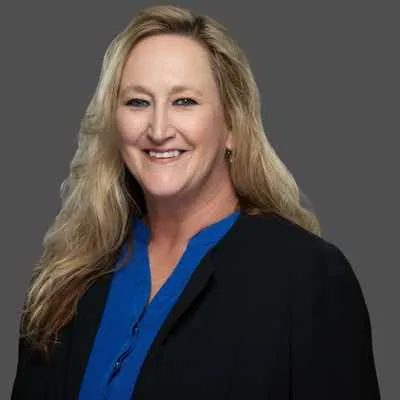
47 Medicare Advantage plans in Charleston County for 2027. Here's how I narrow them down to 3-5 real contenders in 30 minutes during a Blinco Audit. This post is written by Michelle Blinco Smith, a licensed South Carolina insurance agent, as part of the Affordable Health & Dental blog for Lowcountry residents.
Anyone in South Carolina - and especially the Summerville, Charleston, and Berkeley county area - who wants a plain-English answer to an insurance question. Michelle writes every post based on real conversations with real Lowcountry clients, so the guidance is specific to how insurance actually works in SC.
Call Michelle directly at (843) 594-1759 or use the contact form. Consultations are free, there is no obligation, and you will talk to a licensed agent who can run real quotes from every carrier in your zip code and walk you through your options in plain English.