Hurricane Season Health Insurance: What Your Plan Covers If You Evacuate
We are now officially in hurricane season. Atlantic hurricane season runs June 1 through November 30, and the Lowcountry is already watching the tropics. Every year around this time I publish the pre-season checkup post and then a few weeks later I publish this one, because most people do not understand what their health insurance actually covers during an evacuation until they are standing at a Charlotte urgent care reception desk at 2 a.m. with a feverish kid.
This post is the one I wish every Dorchester, Berkeley, and Charleston County family would read before a named storm appears on the NOAA tracker. I am going to walk through what your plan actually covers, what it does not cover, what the surprise billing protections look like, how prescriptions work when you are 200 miles from home, and what to do when you get back and the EOBs start arriving.
The Most Important Rule: Emergency Care Is Covered Anywhere
The Affordable Care Act requires every ACA-compliant plan to cover genuine emergency care at the in-network benefit level, regardless of whether the emergency room is in or out of network. The No Surprises Act, which took effect in 2022, added even stronger protections against surprise billing in emergencies.
Here is what this means in real life. If you evacuate to Greenville or Charlotte or Columbia or Atlanta, and someone in your family has a genuine medical emergency - chest pain, stroke symptoms, a severe allergic reaction, a high fever in a baby, a broken arm, a laceration that needs stitches, acute appendicitis - you can walk into any emergency room and the ER portion of your bill has to be paid at your plan’s in-network rate. That is federal law.
Two important qualifiers.
“Genuine emergency” is defined by the prudent layperson standard. If a reasonable person would think the symptoms were an emergency, it is an emergency. Your plan cannot retroactively decide your chest pain was “just indigestion” and downcode the visit. This protection is in the Affordable Care Act and it holds up.
Follow-up and admission are different. If you get admitted to an out-of-network hospital from an emergency room, the portion of care after you are stabilized is a different conversation. The No Surprises Act protects you from surprise balance billing for emergency services and for some post-emergency stabilization care, but the long tail of an admission at an out-of-network facility can still generate complicated bills. This is the territory where I spend time with clients disputing claims.
What Non-Emergency Out-of-State Care Looks Like
Here is where plans differ dramatically.
BlueCross BlueShield of South Carolina members. BCBS SC participates in the BlueCard PPO program, which gives you in-network access to any BCBS plan across the country. If you evacuate to Charlotte, you can see a BCBS-contracted primary care doctor, urgent care, or specialist and it is billed as in-network. BlueCard is one of the quietly useful things about BCBS plans that most members do not know exists.
Ambetter from Absolute Total Care members. Ambetter plans in South Carolina are built around narrower networks. Out-of-state non-emergency care is usually not covered at the in-network rate, though some plans have national network extensions. Check your specific 2026 plan document or call member services.
Molina Healthcare of South Carolina members. Molina plans have the tightest networks of the three main SC carriers. Out-of-state non-emergency care outside of genuine emergencies is typically not well covered.
United Healthcare, Humana, Cigna, and Aetna members. National carriers often have national networks. Coverage varies by plan type. PPO plans are more generous out-of-state than HMO plans.
Medicare beneficiaries. Original Medicare (Parts A and B) is accepted at any Medicare-participating provider nationwide. If you are on Medicare without a Medicare Advantage plan, your evacuation network is enormous. If you are on a Medicare Advantage plan from Humana, UnitedHealthcare, Aetna, or another carrier, the network rules of your specific Advantage plan apply. Check before you travel.
TRICARE beneficiaries. TRICARE networks extend nationally. TRICARE Prime and TRICARE Select both cover care at TRICARE-authorized providers across the country. For military families at Joint Base Charleston evacuating to another state, TRICARE is one of the most travel-friendly plans.
The No Surprises Act: Your Quiet Protection
The No Surprises Act, which came into effect January 1, 2022, protects you from surprise balance billing in several specific situations relevant to evacuations.
Emergency room visits. You cannot be balance billed above your in-network cost share for emergency services, even at an out-of-network facility.
Out-of-network providers at in-network facilities. If you are admitted to an in-network hospital and an out-of-network anesthesiologist or radiologist treats you, they cannot balance bill you.
Air and ground ambulance. Ground ambulance has limited protection under federal law, but many states including South Carolina have added state-level protections.
What is still fair game for balance billing. Some non-emergency services at out-of-network urgent cares, scheduled non-emergency care at out-of-network facilities, and ambulance services in states without state-level protection can still generate surprise bills.
If you get a surprise bill after an evacuation, do not pay it immediately. Call me or call the federal No Surprises helpdesk (1-800-985-3059). The dispute process is your friend.
Prescription Refills Away From Home
This is the second most common problem I solve for families in the post-storm cleanup weeks. Here is how prescriptions work when you are 200 miles from your normal pharmacy.
Your pharmacy benefits manager has a national network. CVS Caremark, Express Scripts, OptumRx, and the other PBMs used by SC carriers all have national pharmacy networks. Any major chain pharmacy (CVS, Walgreens, Walmart, Kroger, Publix, Rite Aid) usually participates in all of the major networks. You can fill prescriptions at any of these at your normal in-network copay.
Early refills. If you evacuated early and you are running out before your normal refill date, call your pharmacy’s customer service line and request an early refill “due to evacuation.” Most carriers have emergency refill overrides during declared disasters. In past storm years, the SC Department of Insurance has issued bulletins requiring carriers to allow emergency early refills. Save any communications you have about an early refill override.
Mail-order continuity. If you are on mail-order through your PBM, your prescriptions ship to your home address. If your home address is in the evacuation zone, you can sometimes redirect the shipment to a temporary address. Call your mail-order pharmacy to set this up before you leave if you know you are going to be displaced.
Controlled substances. These are harder. Schedule II drugs (Adderall, oxycodone, some ADHD medications) cannot be called in and have strict refill rules. If you take a controlled substance, talk to your prescribing doctor before the storm about contingency plans. Some doctors will write a paper prescription in advance that you can fill at a pharmacy in your evacuation destination.
Telehealth: Your Best Friend in an Evacuation
Every major SC carrier offers telehealth as a covered benefit. BCBS SC, Ambetter, Molina, UnitedHealthcare, Humana, and Aetna all include virtual visits as part of their standard ACA plans. Telehealth is almost always the fastest, cheapest, and easiest way to get non-emergency medical care during an evacuation.
What telehealth covers. Most non-emergency primary care (respiratory infections, fever, sore throat, minor injuries, rashes, stomach issues), mental health and counseling, follow-up appointments, prescription renewals for non-controlled substances, and lactation support.
What telehealth does not cover. Anything that requires a physical exam, imaging, labs, procedures, or in-person assessment. If your kid has a possible broken bone, telehealth can help you decide whether to go to urgent care, but it cannot set the bone.
How to access. Each carrier’s telehealth is accessed through their app or a partner app. Download the app, set up the account, and test the login before the storm. Trying to set up an account during an evacuation is a mess. I tell every client to do this in May.
MUSC MyChart virtual visits. If any of your family’s regular doctors are at MUSC, the MUSC MyChart app allows virtual visits with MUSC providers. This is different from your carrier’s generic telehealth - it is a direct video visit with your actual doctor. For complex conditions, it is the better option.
The Declared Emergency Rules
When the governor of South Carolina declares a state of emergency or the president issues a disaster declaration covering SC counties, additional rules kick in.
Prescription emergency refills. SC DOI typically issues bulletins requiring all regulated carriers to allow emergency prescription refills during a declared emergency. This covers up to a 30-day supply for most medications.
Claim payment extensions. Carriers often extend deadlines for claim submission, prior authorization, and appeal filings during declared emergencies. If you cannot reach your doctor or your insurance company because of storm damage, the clock pauses.
Network adequacy relaxation. Some carriers temporarily relax network rules during declared emergencies, allowing care at non-network providers at in-network rates. This is carrier-specific and plan-specific.
Telehealth parity. Federal rules during declared emergencies sometimes extend telehealth flexibilities beyond normal limits, making it easier to use telehealth across state lines.
The takeaway: during an emergency declaration, ask about these flexibilities. A carrier member services rep on a normal Tuesday might not know what applies. A carrier member services rep during a declared emergency usually has updated scripts.
After the Storm: The EOB Storm
When you get home, your medical bills and Explanation of Benefits statements will start arriving. This is the phase where people get confused or give up.
Read every EOB. Every claim generates an EOB. It shows the provider’s billed amount, what the insurance paid, what the patient owes, and what was disallowed. Compare each EOB to the bill you got from the provider.
Watch for balance billing. If the EOB says “patient responsibility: $450” and the provider’s bill says “balance due: $2,400,” something is wrong. Either the provider has not processed the insurance yet (wait 30 days and ask for an updated bill), or the provider is balance billing you illegally (dispute).
Check for surprise billing violations. Under the No Surprises Act, you can dispute surprise bills from emergency care. Keep records. I help clients file these disputes regularly.
Appeal denied claims. If a claim is denied and you believe it should be covered, appeal. Every carrier has an internal appeals process. You have 180 days from the denial to appeal in most cases. Be organized, send documentation, and follow up.
Check for SC DOI complaints. If a carrier is mishandling post-emergency claims, the SC Department of Insurance has a consumer complaint process. I have helped clients file these when internal carrier appeals stalled.
What the Blinco Audit Looks Like After a Storm
If you are a client of mine and you got hit by a storm, I run a post-storm review.
Uncover. I ask about every medical encounter during the evacuation. Every ER visit, urgent care visit, telehealth call, prescription refill, and follow-up appointment. I want a complete picture of the care you received.
Decode. I translate the EOBs and provider bills into what you actually owe. I flag anything that looks like a surprise billing violation or a processing error.
Compare. I compare what the carrier paid to what they should have paid under your plan and under the No Surprises Act. If there is a gap, we dispute.
Protect. I file the disputes, file the appeals, call the carrier on your behalf, and if needed, file an SC DOI complaint.
All of this is part of being your broker. I do not charge for post-claim support. Carriers pay me a residual commission on your enrolled plan, and that commission includes keeping you covered and advocating on your behalf when the system misbehaves.
Specific Situations That Deserve Special Attention
Pregnant women displaced during the third trimester. If you deliver at an out-of-state hospital during an evacuation, the billing can be complex. Your OB, the anesthesiologist, the pediatrician, and the hospital may all bill separately. Keep every document. Call me when you get home.
Dialysis patients who missed a session. Missing dialysis is medically dangerous. If you missed a session and ended up in an ER for emergency treatment, there are continuity-of-care protocols your nephrology team coordinates. The insurance portion of that care is usually covered as emergency care under federal rules.
Kids with asthma or other chronic respiratory conditions. Post-hurricane mold, dust, and disrupted medication schedules can cause asthma exacerbations. Have a written asthma action plan from your pediatrician. Have rescue inhalers in hand. If your child needs a higher level of care during an evacuation, urgent care and ER visits are both covered under standard emergency rules.
People on home infusion therapy. Home infusion is disrupted by displacement. Work with your specialty pharmacy on contingency plans before the storm.
Flood Insurance Note
Every summer someone asks me about flood insurance during a pre-hurricane meeting. I do not sell flood insurance. NFIP policies are a separate specialty through your property and casualty agent. My lane is health, dental, vision, life, Medicare, and small business benefits. If you need a referral to a good P&C agent in the Summerville area, I have names.
The Bottom Line
Your health insurance works during an evacuation, but it works differently than it does at home, and the differences are worth understanding before you are dealing with them in a panic. Emergency care is covered at the in-network rate anywhere in the country by federal law. The No Surprises Act protects you from the worst surprise bills. Telehealth is your fastest option for non-emergency care. Prescriptions can usually be filled at any major chain. Declared emergencies unlock additional flexibilities.
If you are a Lowcountry family in Dorchester, Berkeley, or Charleston county and you want to know exactly what your specific plan covers during an evacuation, call me at (843) 594-1759 or schedule a Blinco Audit. I will go through your plan document, call member services with you, and build you a one-page cheat sheet for your go-bag. No charge. The carriers pay me. And I don’t stop until you’re covered, even during a hurricane.
Frequently Asked Questions
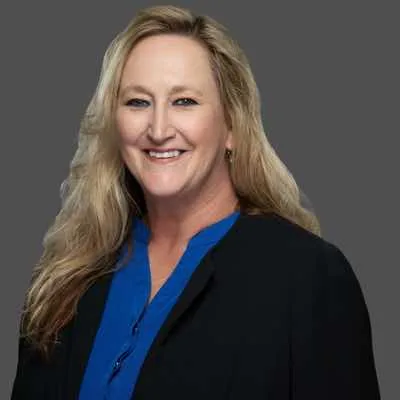
Hurricane season is here. Find out exactly what your SC health insurance covers during an evacuation, from emergency care out of state to prescription refills, telehealth, and surprise billing protections. This post is written by Michelle Blinco Smith, a licensed South Carolina insurance agent, as part of the Affordable Health & Dental blog for Lowcountry residents.
Anyone in South Carolina - and especially the Summerville, Charleston, and Berkeley county area - who wants a plain-English answer to an insurance question. Michelle writes every post based on real conversations with real Lowcountry clients, so the guidance is specific to how insurance actually works in SC.
Call Michelle directly at (843) 594-1759 or use the contact form. Consultations are free, there is no obligation, and you will talk to a licensed agent who can run real quotes from every carrier in your zip code and walk you through your options in plain English.